
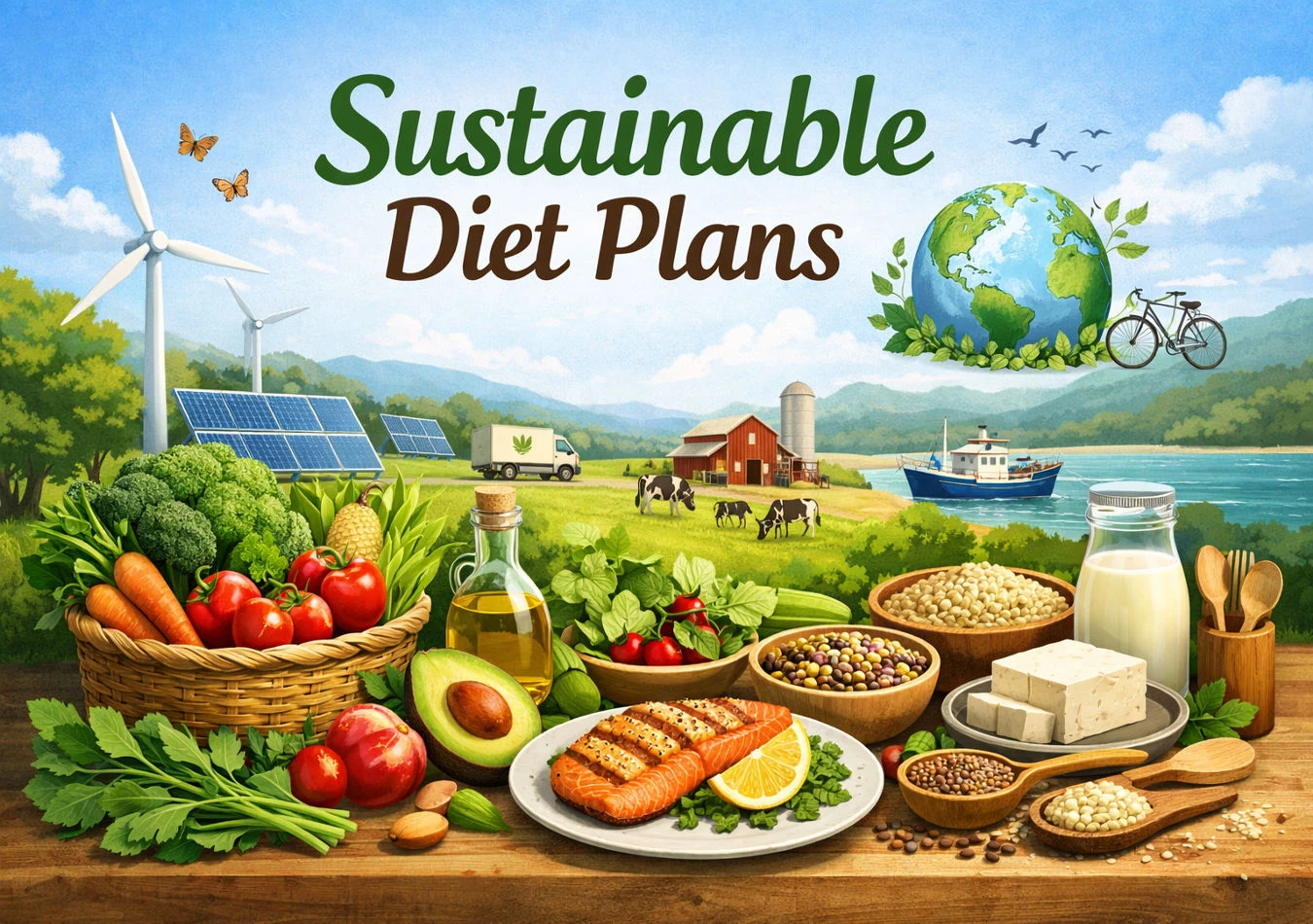
In a world saturated with “magic pills” and “overnight transformations,” finding a nutritional strategy that actually works—and stays working—can feel like searching for a needle in a haystack. The truth is, the best sustainable diet plans aren’t about temporary deprivation; they are about building a lifestyle that fuels your body while respecting your palate and your schedule.
Whether you are looking to shed weight, manage a medical condition, or simply boost your daily energy, understanding the mechanics of different dietary frameworks is the first step toward success.
Why Sustainability Matters More Than Speed
Most people fail their diets not because of a lack of willpower, but because the plan they chose was fundamentally unsustainable. A diet that requires you to cut out entire food groups or eat foods you dislike will eventually lead to burnout.
Sustainable diet plans focus on:
Nutrient Density: Prioritizing vitamins and minerals over empty calories.
Flexibility: Allowing for social events and occasional treats.
Satiety: Eating enough protein and fiber to keep hunger at bay.
Top-Rated Sustainable Diet Plans
The Mediterranean Diet
Consistently ranked as the healthiest diet in the world, the Mediterranean approach isn’t really a “diet” in the restrictive sense. It is a pattern of eating based on the traditional habits of people living near the Mediterranean Sea.
What to Eat: High intake of fruits, vegetables, whole grains, beans, nuts, and seeds. Olive oil is the primary fat source.
Protein Sources: Mostly fish and poultry, with very limited red meat.
Benefits: Excellent for heart health, longevity, and reducing inflammation.
The Flexitarian Diet
If you want the benefits of a plant-based lifestyle but aren’t ready to give up steak entirely, the Flexitarian diet is your best bet. It encourages plant-based proteins most of the time but allows for animal products in moderation.
The Core Idea: Increase plant intake without the “all-or-nothing” pressure of veganism.
Key Benefit: Easy to maintain in social settings and provides a wide range of micronutrients.
Intermittent Fasting (IF)
Rather than telling you what to eat, Intermittent Fasting focuses on when you eat. The most popular version is the 16/8 method (fasting for 16 hours and eating during an 8-hour window).
How it Works: It helps regulate insulin levels and can naturally reduce calorie intake.
Sustainability Tip: It is highly adaptable. You can choose a window that fits your work-life balance.
Understanding Macronutrients and Micronutrients
To master any sustainable diet plans, you must understand the building blocks of nutrition.
Macronutrients (Macros)
Proteins: Essential for muscle repair and metabolic health. (Chicken, lentils, eggs).
Carbohydrates: Your body’s preferred energy source. Focus on complex carbs like oats and sweet potatoes.
Fats: Crucial for hormone production and brain health. (Avocados, nuts, fatty fish).
Micronutrients
These are the vitamins and minerals found in colorful vegetables and fruits. A “boring” plate (all beige or white) usually indicates a lack of micronutrients. Aim for a “rainbow” on your plate to ensure you are getting everything from Vitamin C to Magnesium.
How to Choose the Right Plan for You
There is no “one-size-fits-all” in nutrition. To find your ideal match, ask yourself these three questions:
1. What are my goals? (Weight loss, muscle gain, or heart health?)
2. What is my budget? (Some diets, like Keto or Paleo, can be expensive due to the high meat/nut requirements.)
3. What is my cooking ability? (If you hate cooking, a plan that requires 3-course homemade meals will fail.)
The Role of Caloric Balance
No matter which of the sustainable diet plans you choose, the laws of thermodynamics apply.
Caloric Deficit: Consuming fewer calories than you burn (Weight loss).
Caloric Maintenance: Consuming what you burn (Weight stability).
Caloric Surplus: Consuming more than you burn (Weight/Muscle gain).
The goal of a good diet is to make a deficit feel effortless by choosing high-volume, low-calorie foods like leafy greens and watery fruits.
Overcoming Common Pitfalls
The “All or Nothing” Mentality
Many people quit their diet because they ate one cookie. In a sustainable model, one “bad” meal doesn’t ruin a week. It’s about the 80/20 rule: eat clean 80% of the time, and enjoy yourself the other 20%.
Ignoring Hydration
Sometimes hunger is actually thirst in disguise. Drinking enough water is essential for digestion and metabolic function.
Lack of Sleep
Sleep deprivation increases ghrelin (the hunger hormone) and decreases leptin (the fullness hormone). You cannot out-diet a lack of sleep.
Simple Meal Prep Strategies
Success in sustainable diet plans is often found in the kitchen. You don’t need to spend 8 hours on a Sunday. Try these:
Batch Cook Proteins: Grill 5-6 chicken breasts or a large pot of beans at once.
Pre-Cut Veggies: You are more likely to snack on carrots if they are already peeled.
Use Frozen Options: Frozen vegetables are just as nutritious as fresh and last much longer.
A Sample Day of Balanced Nutrition
Following sustainable diet plans doesn’t have to be complicated or flavorless. A typical day of nourishing your body starts with a high-protein breakfast, such as creamy Greek yogurt topped with antioxidant-rich blueberries, fiber-dense chia seeds, and a light drizzle of honey for natural sweetness. For lunch, a refreshing quinoa salad mixed with protein-packed chickpeas, crisp cucumbers, and tangy feta cheese—all tossed in a zesty lemon-tahini dressing—provides a perfect balance of complex carbohydrates and healthy fats to prevent a mid-afternoon energy crash. If hunger strikes before dinner, a simple snack of a crisp apple paired with a handful of raw almonds offers a satisfying crunch and essential micronutrients. Finally, the day concludes with a dinner of baked salmon or marinated tofu, served alongside roasted broccoli and a side of roasted sweet potato. This combination ensures a steady intake of Omega-3 fatty acids and minerals, proving that eating for longevity can be both diverse and delicious.
Conclusion
The hallmark of truly sustainable diet plans is that they don’t have an “end date.” If you can’t imagine eating this way a year from now, it isn’t the right plan for you.
Start small. Swap one sugary drink for water. Add one serving of greens to your dinner. Over time, these small shifts compound into a lifestyle that supports your health, boosts your confidence, and gives you the vitality to live your life to the fullest.
True health isn’t found in a restrictive list of “forbidden” foods; it’s found in the balance, the consistency, and the joy of nourishing your body correctly.
read more: Personalized Nutrition 2026